Aqualunar Challenge
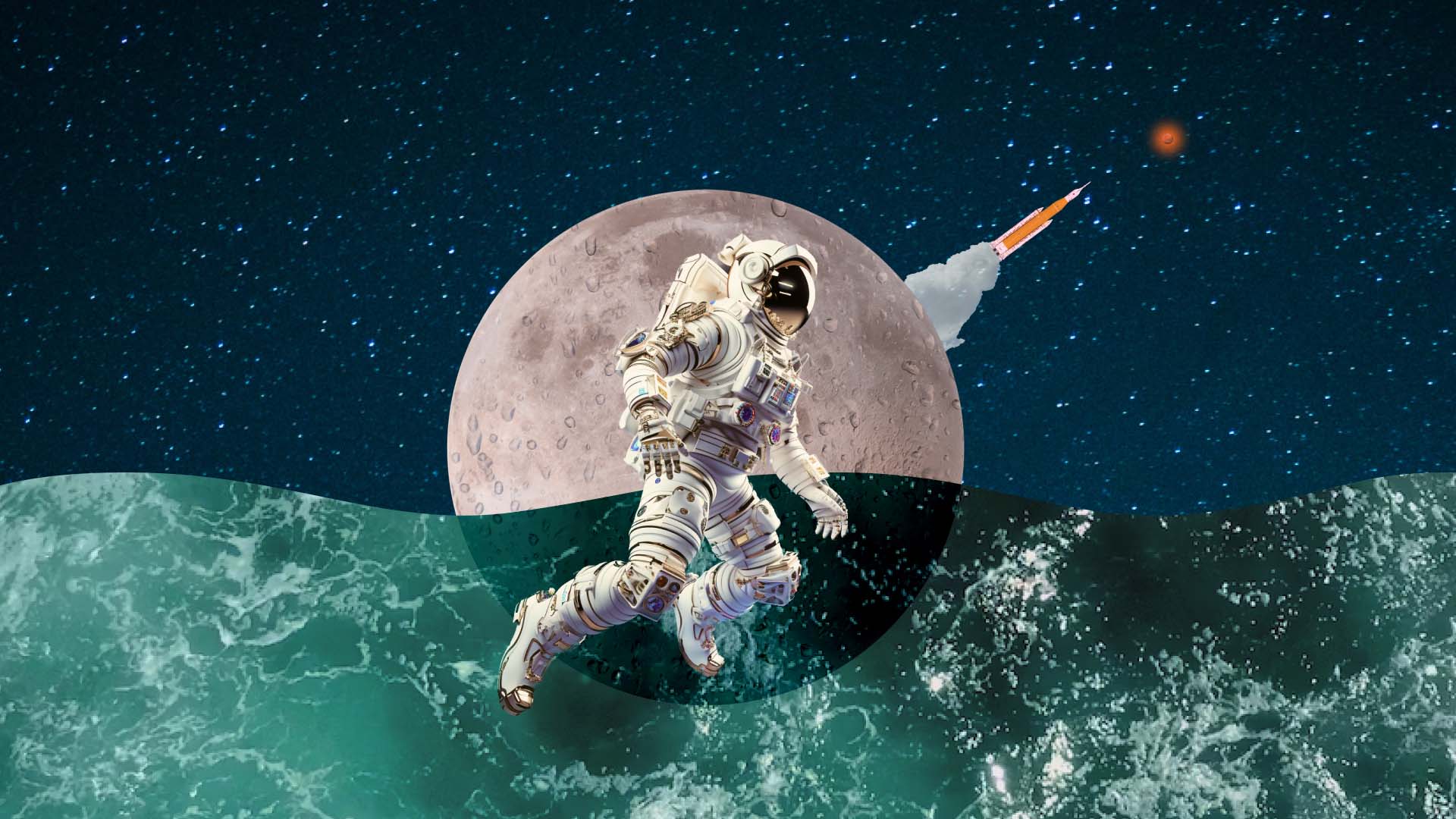
Canada is going to the Moon. With this return to the lunar surface, we must find sustainable ways to support long-term space missions.
Apply nowThe Challenge
Purifying Moon Water: Supporting Human Exploration on the Moon, and Beyond
Water - a critical resource on Earth and in space - is necessary to support future human space exploration. It is very likely that water exists on the Moon, but it contains contaminants. Removing the current known contaminants from Moon water to grow food and provide propellant and drinking water would not only help support human space exploration, it could also help advance water purification technologies here on Earth.
Canada is going to the Moon. With this return to the lunar surface, we must find sustainable ways to support long-term space missions.

The Problem
With humankind returning to the Moon later this decade, purifying the water that exists in lunar regolith (soil) is critical to enabling more ambitious space missions. Using lunar water-as drinking water, to grow food, to create oxygen and to split into hydrogen and oxygen for rocket fuel- is a key enabler for supporting future deep space exploration.
Data suggests that large quantities of water ice may exist in permanently shadowed regions near the lunar south pole. But this water contains a number of contaminants preventing its use unless it is purified.

The Solution
The Aqualunar Challenge is calling Canadian innovators to create innovative technologies for use on the Moon to purify lunar water. These technologies may also contribute to novel water purification technologies here on Earth.
Mini title about something- Pretty list: Item A
- Pretty list: item B
The Canadian Challenge is delivered by the Canadian Space Agency (CSA) in partnership with the Privy Council Office's Impact Canada program, situated within the Impact and Innovation Unit (IIU).
The process
Lorem ipsum dolor, sit amet consectetur adipisicing elit. Cumque facere corporis ullam quo at labore laborum placeat, accusantium eligendi natus pariatur voluptatem quibusdam corrupti perspiciatis, veritatis ipsum delectus sapiente tempora!
-
Stage 1 - Concept Design
April 8, 2024
Applicants will be required to submit an online application through the Impact Canada Platform, which provides a description of how their solution meets the challenge objectives, Mission Scenario, and judging criteria by April 8, 2024. At this stage, applicants are competing for $22,500 CAD in grant funding and the opportunity to become a Semi-Finalist entering into Stage 2 of the Challenge.
-
Stage 2 - Proof of Concept
June 2024
In Stage 2, Semi-finalists will begin developing components of a prototype based on their concept design (TRL 3). Semi-finalists will be expected to submit video footage to demonstrate their system or components of their system and will provide a final report that outlines how their technology meets the judging criteria listed. Semi-finalists are competing for $105,000 CAD in grant funding and the opportunity to become a Finalist entering Stage 3 of the Challenge.
-
Stage 3 - Prototype Scaling
Spring 2025
In Stage 3, Finalists will be expected to integrate components of their prototype at a minimum TRL of 4+. Finalists will demonstrate their systems and have their outputs tested. Finalists will be required to submit a final report that outlines how they meet the judging criteria as well as a solution adoption plan for their systems. Finalists at this stage are competing to become the Grand Prize Winner who will receive $400,000 CAD in grant funding.
The jury
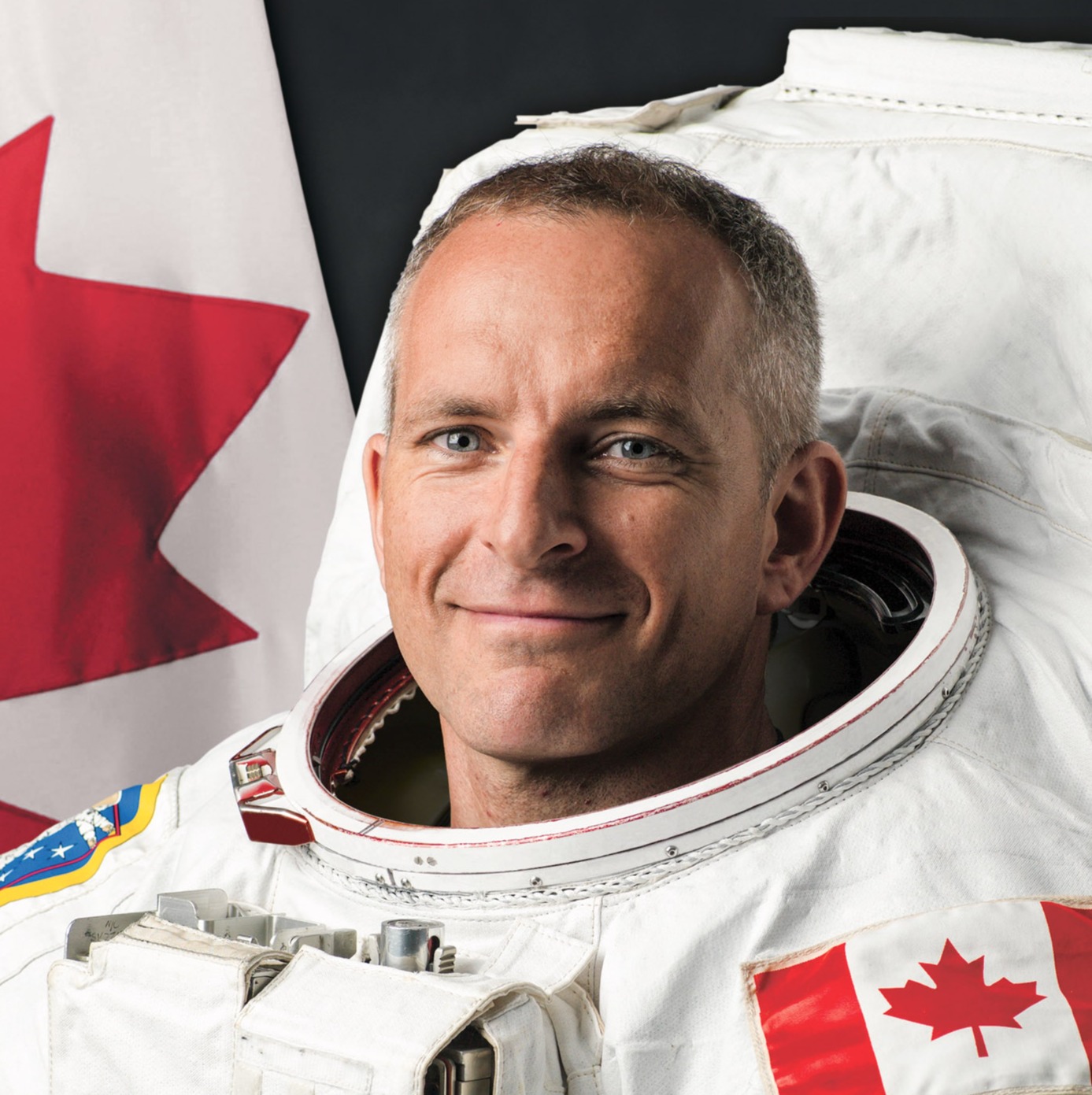
David Saint-Jacques
-
Full bio
With humankind returning to the Moon later this decade, purifying the water that exists in lunar regolith (soil) is critical to enabling more ambitious space missions. Using lunar water-as drinking water, to grow food, to create oxygen and to split into hydrogen and oxygen for rocket fuel- is a key enabler for supporting future deep space exploration.

Dr. Madjid Mohsenie
-
Full bio
With humankind returning to the Moon later this decade, purifying the water that exists in lunar regolith (soil) is critical to enabling more ambitious space missions. Using lunar water-as drinking water, to grow food, to create oxygen and to split into hydrogen and oxygen for rocket fuel- is a key enabler for supporting future deep space exploration.

Loogart
-
Full bio
With humankind returning to the Moon later this decade, purifying the water that exists in lunar regolith (soil) is critical to enabling more ambitious space missions. Using lunar water-as drinking water, to grow food, to create oxygen and to split into hydrogen and oxygen for rocket fuel- is a key enabler for supporting future deep space exploration.

Dr. Madjid Mohsenie
-
Full bio
With humankind returning to the Moon later this decade, purifying the water that exists in lunar regolith (soil) is critical to enabling more ambitious space missions. Using lunar water-as drinking water, to grow food, to create oxygen and to split into hydrogen and oxygen for rocket fuel- is a key enabler for supporting future deep space exploration.
Results
Lorem ipsum dolor, sit amet consectetur adipisicing elit. Cumque facere corporis ullam quo at labore laborum placeat, accusantium eligendi natus pariatur voluptatem quibusdam corrupti perspiciatis, veritatis ipsum delectus sapiente tempora!
McGill Advanced bio-Regenerative Toolkit for Long Excursion Trips [MARTLET]
Polar Utilization for Future Industry Needs [PUFFIN]
Taking advantage of the extreme lunar temperatures, filtration occurs through a continuous freezing process forming clean blocks of ice.
Cimbus Inc.
The Lunar Ice Water and Resource Recovery System (LIWARS)
The LIWARS is a consumable-free and microorganism-free technology, converting lunar ice to clean drinking water while recovering over 90% of removed chemicals.
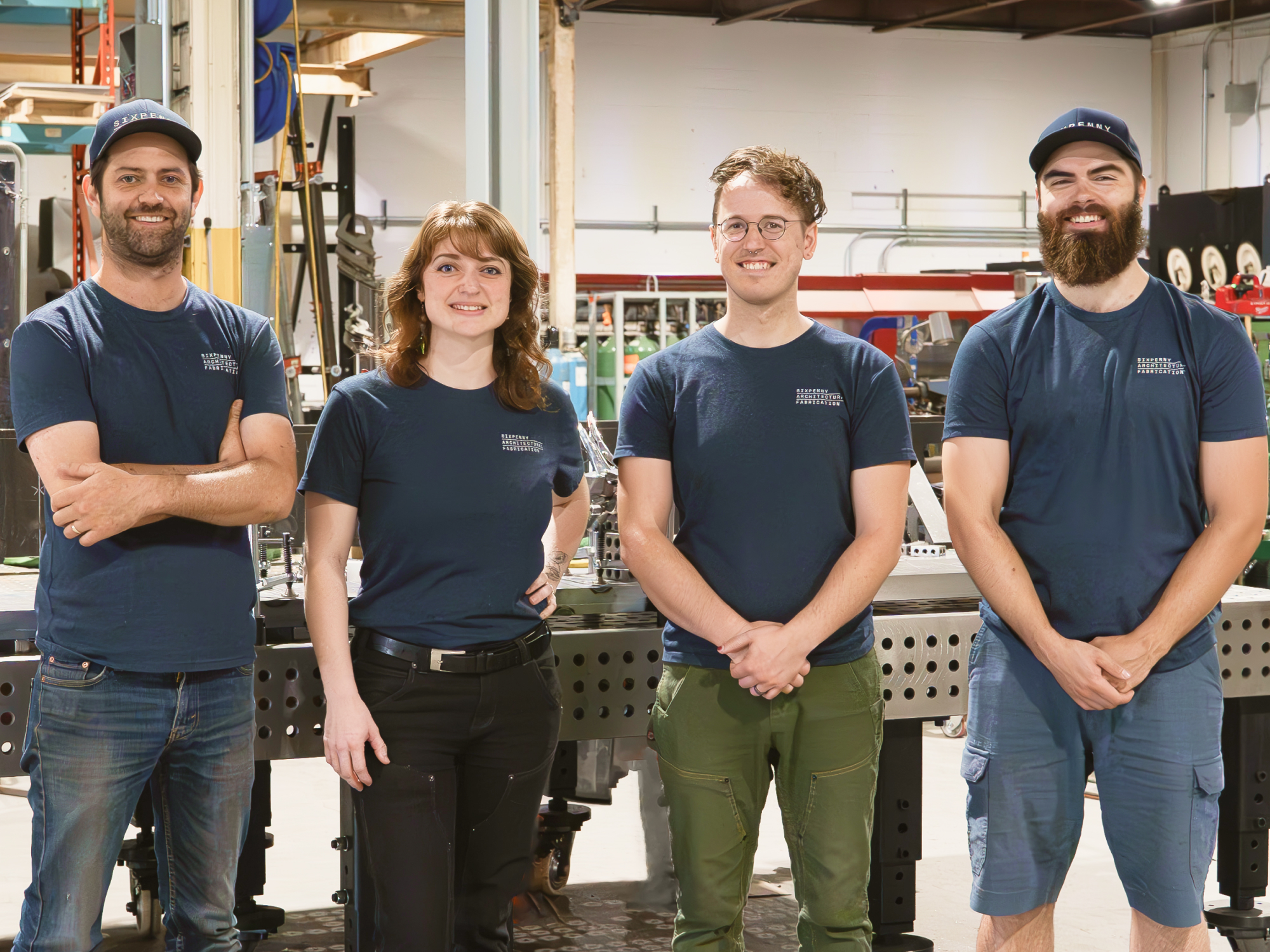
Sixpenny Architectural Fabrication
Lunarwell
Lunarwell turns dirty lunar ice into clean water with the help of sunlight and the Moon's vacuum.
The Solution
With humankind returning to the Moon later this decade, purifying the water that exists in lunar regolith (soil) is critical to enabling more ambitious space missions. Using lunar water-as drinking water, to grow food, to create oxygen and to split into hydrogen and oxygen for rocket fuel- is a key enabler for supporting future deep space exploration.
Contact
Send us your questions at: defiaqualunaire-aqualunarchallenge@asc-csa.gc.ca. We will get back to you within five business days.
Apply
Who can apply?
Eligible Applicants to the challenge include the following:
- Businesses or other for-profit organizations in Canada;
- Not-for-profit organizations in Canada;
- Indigenous organizations and groups located in Canada;
- Post-secondary/academic institutions located in Canada; and
- Individuals or groups of individuals based in Canada
Prizes
Eligible Applicants to the challenge include the following:
- $250,000
Up to 20 semi-finalists will be selected to receive up to $250,000 each to support the development of a technology, practice or process to reduce enteric methane
-
$250,000
Up to 20 semi-finalists will be selected to receive up to $250,000 each to support the development of a technology, practice or process to reduce enteric methane
Key Dates
Eligible Applicants to the challenge include the following:
-
Stage 1
- Concept Design due April 8th, 2024
- Up to 8 Semi-Finalists Announced: Summer 2024
-
Stage 2
- Begins June 2024
- Final Reports and virtual demonstration videos due January 2025
- Up to 4 Finalists Announced: Spring 2025
Important Resources
Note: In short, please be respectful and make sure that your comments are relevant to where they are posted. The views of users commenting on our social media accounts do not necessarily represent the views of Privy Council Office or the Government of Canada.